
Choosing the right business signage in Perth is about more than putting your company name on a board. Your signage is often the first thing customers notice when they pass your shop, office, showroom, warehouse, or commercial property.
The right sign should represent your brand, attract attention, remain easy to read, suit your location and withstand Perth’s outdoor conditions. It also needs to work within any applicable local planning and signage requirements.
For businesses across Perth, from the CBD and Northbridge to Subiaco, Osborne Park, Joondalup, Canning Vale, Victoria Park, Malaga and surrounding suburbs, choosing signage requires a balance between design, visibility, practicality and compliance.
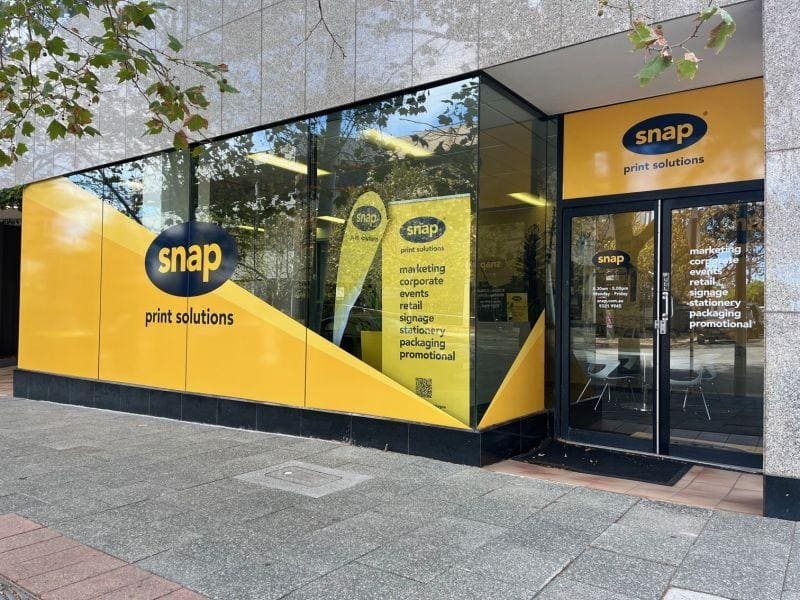
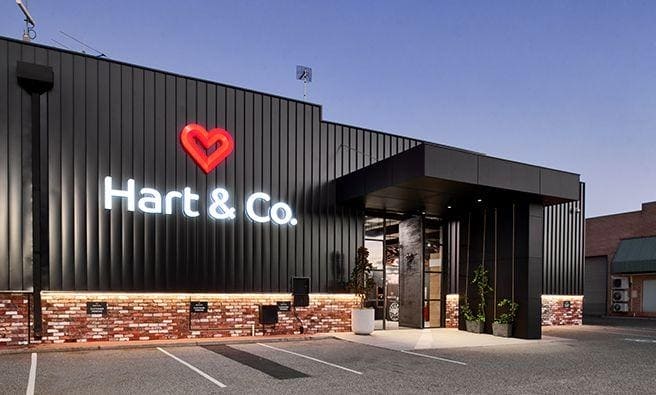
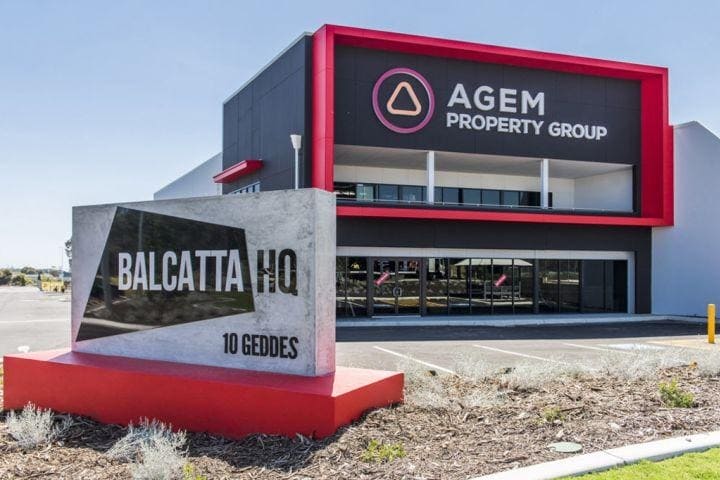
7
Why Business Signage Matters in Perth
Good business signage helps customers identify your business and understand what you offer. A well-designed sign can also strengthen brand recognition and create a more professional appearance.
For example, a retail store may need highly visible shopfront signage, while a professional office may benefit from sleek reception or building signage. A café might require a combination of external branding, menu boards and window graphics.
The important point is that there is no single signage solution that works for every Perth business.
Your choice should depend on:
- Your business type
- Your target customers
- Your location
- Viewing distance
- Indoor or outdoor placement
- Existing brand identity
- Available space
- Lighting conditions
- Budget
- Installation requirements
1. Start With Your Business Location
The location of your business should influence the type of sign you choose.
A shop located on a busy Perth road may need large, highly visible signage that can be understood quickly by passing motorists and pedestrians. A business inside a commercial building may require directional signage, reception signs or building identification instead.
Consider how people approach your premises.
Ask yourself:
- Can customers see the sign from the street?
- How far away will they be when they first see it?
- Is the entrance easy to identify?
- Are there trees, buildings or vehicles blocking visibility?
- Does the sign need to work during the evening?
- Is the business located in a shopping centre, industrial area, office building or standalone property?
A good signage design starts with the location rather than the artwork.
2. Choose the Right Type of Business Sign
Perth businesses have many signage options available. Each type serves a different purpose.
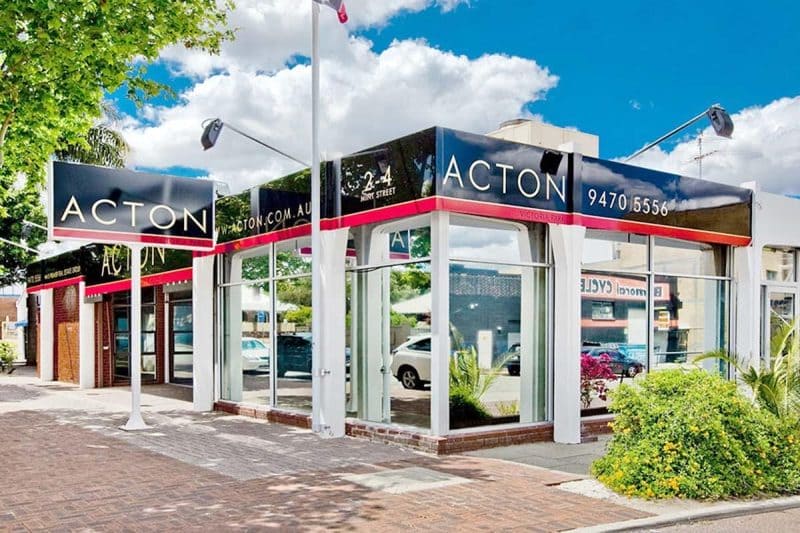
Shopfront Signage
Shopfront signs are particularly useful for retail stores, cafés, restaurants, salons, medical practices and other customer-facing businesses.
They can include your business name, logo, colours and a short description of your services.
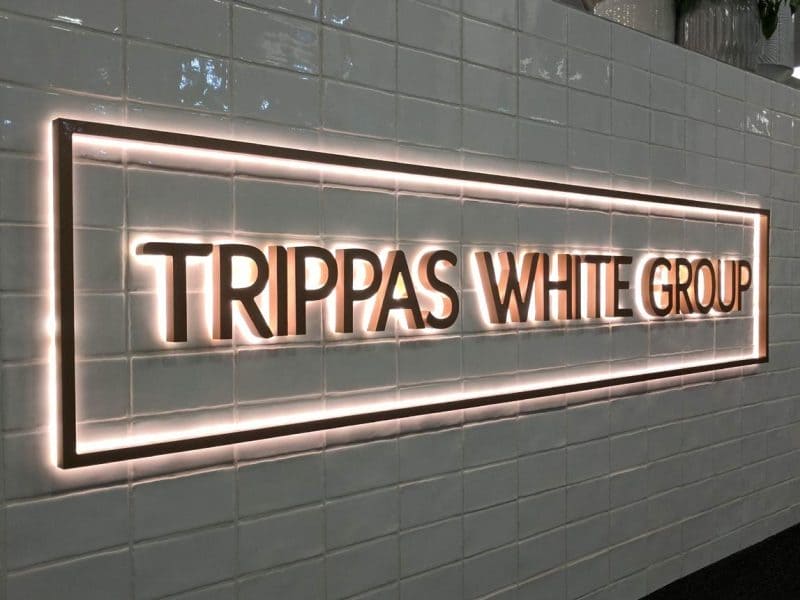
3D Lettering
3D lettering can give a business frontage a modern and professional appearance. Individual letters can be manufactured using materials such as acrylic, aluminium or other suitable options.
This style can work particularly well for offices, retail businesses and commercial buildings.
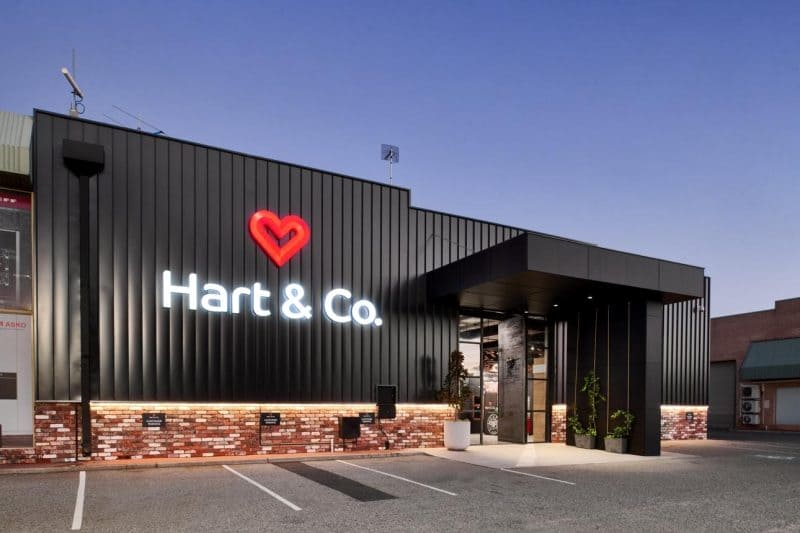
Illuminated Signage
Illuminated signs can improve visibility after dark and help businesses stand out in busy commercial areas.
Options can include internally illuminated letters, lightboxes and other lighting solutions depending on the building and design.
Window Graphics
Window signage can make use of otherwise unused glass surfaces. It can display branding, promotional messages, opening hours, services or privacy graphics.
Pylon and Directional Signs
Larger commercial sites, industrial areas and multi-business properties may benefit from directional signs that help customers find entrances, parking areas or individual businesses.
Building and Reception Signage
For offices and professional businesses, internal reception signs and external building identification can reinforce a consistent brand experience.
The best option depends on how and where customers interact with your business.
3. Make Your Sign Easy to Read
A beautiful sign is not effective if people cannot read it quickly.
Avoid overcrowding your design with too much information. Your business name and primary message should be immediately understandable.
Pay attention to:
- Font size
- Font style
- Letter spacing
- Contrast
- Background colour
- Logo placement
- Viewing distance
- Lighting
- Overall sign dimensions
For street-facing signage, readability at a distance is especially important.
Instead of trying to include every service you offer, focus on the information customers need first.
Business name + recognisable branding + clear message is often more effective than a sign packed with text.
4. Keep Your Branding Consistent
Your business signage should look like part of your overall brand.
Use the same or complementary:
- Logo
- Brand colours
- Typography
- Visual style
- Brand messaging
For example, if your website uses a clean black-and-white design but your storefront suddenly uses multiple bright colours and unrelated fonts, customers may find the branding inconsistent.
Consistent branding across your signage, website, vehicles, social media and printed materials can create a stronger overall business identity.
5. Consider Perth’s Outdoor Conditions
Outdoor signage needs to be designed for its environment.
Perth businesses can experience strong sunlight, heat, wind, rain and changing weather conditions. For outdoor signs, the choice of materials, finishes, fixings and installation method can therefore matter considerably.
When discussing your signage with a professional, ask about:
- Material suitability
- UV exposure
- Weather resistance
- Mounting method
- Surface compatibility
- Maintenance requirements
- Expected service life
The cheapest material is not necessarily the most suitable option for an exposed outdoor location.
A signage professional can help you select materials according to where the sign will be installed and how much exposure it will receive.
6. Think About Day and Night Visibility
Your sign may look excellent during the day but become difficult to see after sunset.
If your business operates in the evening or is located in an area with significant night-time activity, consider whether illumination is appropriate.
Illuminated signage can help maintain brand visibility after dark, but lighting should complement the design rather than overpower it.
Think about:
- Light intensity
- Letter visibility
- Colour
- Glare
- Surrounding lighting
- Energy use
- Maintenance access
The goal is clear visibility, not simply making the sign brighter.
7. Select Materials That Match Your Business
Different businesses may require different materials.
Common signage materials and finishes include:
- Aluminium
- Acrylic
- Stainless steel
- PVC
- Composite panels
- Vinyl
- Painted or powder-coated finishes
Your choice should consider appearance, location, durability, maintenance and budget.
For a premium corporate office, for example, metal lettering may create a different impression from a basic printed panel. A temporary promotional campaign may require a completely different solution.
There is no universal “best” material. The right material is the one that fits the purpose, environment and design.
8. Consider Your Viewing Distance
One of the most overlooked parts of signage design is viewing distance.
A sign above a shop entrance is viewed differently from a sign beside a major road.
If customers are close to the sign, smaller details may be useful. If people are seeing your business from further away, the design needs to prioritise large, clear and high-contrast information.
Before finalising your design, consider:
Where will the customer first see the sign?
That question can help determine the appropriate size, lettering and layout.
9. Check Perth Signage and Planning Requirements
Before installing new business signage, check the requirements that apply to your property and local council.
Within the City of Perth, signage that meets specified exemption criteria may not require planning approval, while signage outside those criteria may require approval before installation.
The City of Perth also states that sign applications can require information such as scaled plans, dimensions, position, materials, design, inscription and construction method. Some applications may also require structural certification or other approvals.
Requirements can differ depending on the location, sign type and relevant local authority. Heritage properties and heritage areas can also have additional considerations.
So before manufacturing your sign, confirm the applicable requirements for your Perth property.
10. Think About Accessibility and Safety
Business signage should not simply look attractive; it should also be positioned and designed responsibly.
For certain types of premises and wayfinding applications, accessibility considerations can include clear visibility, tactile information and appropriate signage placement. Australian accessibility standards are referenced in Western Australian building specifications for relevant signage applications.
Safety is also important. The City of Perth notes that signage should not create hazards for pedestrians or motorists.
Your signage provider should consider the installation environment, mounting system, visibility and surrounding pedestrian movement.
11. Match the Sign to Your Target Customers
Think about who you want your signage to attract.
A children’s business, luxury retailer, construction company, medical clinic and technology company will not necessarily benefit from the same visual style.
Consider your customer’s expectations.
For example:
Professional services:
Clean typography, restrained colours and sophisticated materials may work well.
Retail:
Strong branding and highly visible shopfront signage can help attract attention.
Hospitality:
Creative typography, illuminated elements and distinctive branding can help establish atmosphere.
Industrial businesses:
Large, practical signs with clear identification and directional information may be more appropriate.
Your signage should communicate the personality of your business before customers even walk through the door.
12. Don’t Choose Your Sign Based Only on Price
Price is important, but it should not be the only factor.
A very cheap sign may have limitations relating to materials, finish, visibility, installation or durability.
When comparing signage quotes, look beyond the final price and ask what is included.
Check whether the quotation covers:
- Design
- Artwork preparation
- Materials
- Manufacturing
- Lighting
- Installation
- Electrical work where applicable
- Removal of existing signage
- Structural requirements
- Maintenance or warranty information
A clear quote makes it easier to compare different signage solutions.
Why Choose Mega Signage Perth?
Mega Signage Perth can help businesses turn their branding into practical, professional signage designed around their location and business requirements.
From shopfront signage and business signs to commercial branding solutions, the focus should be on creating signage that is clear, durable and aligned with your brand.
A professional signage process should begin with understanding your business, assessing the installation location and selecting a suitable design and material before production begins.
Whether you operate a retail shop, office, restaurant, showroom, warehouse or commercial property, Mega Signage Perth can help you consider the signage options that suit your business.
7
Final Thoughts
Choosing the right business signage in Perth involves much more than selecting an attractive design. You need to consider your location, customers, viewing distance, branding, materials, lighting, durability, accessibility and applicable approval requirements.
Start by identifying what your sign needs to achieve. Then choose a design and material that supports that purpose.
A well-planned sign can make your business easier to identify, strengthen your visual brand and create a more professional presence across Perth.
For businesses looking for professional signage solutions, Mega Signage Perth can help turn your business identity into signage designed for your specific needs.
Frequently Asked Questions
1. What type of signage is best for a business in Perth?
There is no single best type for every business. Shopfront signs, 3D lettering, illuminated signs, window graphics, building signs and directional signage can all serve different purposes. The right choice depends on your location, business type, viewing distance and branding.
2. Do I need approval for business signage in Perth?
It depends on the sign and its location. Within the City of Perth, some signage can be exempt from planning approval if it meets the relevant criteria, while other signs require approval before installation.
3. What should I consider when choosing outdoor signage in Perth?
Consider visibility, materials, weather exposure, sunlight, installation method, maintenance and durability. Your signage provider can recommend materials based on the specific location and application.
4. Are illuminated business signs suitable for Perth businesses?
Illuminated signage can be useful for businesses that operate after dark or need stronger night-time visibility. The design should take into account lighting intensity, surrounding conditions, energy use and any applicable local requirements.
5. How can I make my business signage more effective?
Keep the design simple, use readable lettering, maintain strong brand consistency and make sure the sign can be seen from the appropriate distance. Avoid filling the sign with unnecessary information and focus on the business name, branding and key message.